Introduction to Bitfinex
When exploring the world of cryptocurrency trading, one platform that consistently appears in conversations is Bitfinex. Established in 2012 and originally based in Hong Kong, this cryptocurrency exchange has built a reputation as one of the industry’s longest-running and most feature-rich platforms. Over the years, the Bitfinex exchange has evolved from a relatively small trading venue into one of the largest cryptocurrency exchanges by trading volume globally.
What is Bitfinex, exactly? At its core, it’s a digital asset trading platform designed primarily for professional traders and institutional investors who demand advanced tools, deep liquidity, and sophisticated trading options. Unlike some exchanges that cater to beginners with simplified interfaces, this platform offers a comprehensive suite of features that appeal to experienced market participants looking for maximum control over their trading strategies.
The platform has weathered numerous challenges throughout its history, including regulatory scrutiny and security incidents, yet it continues to operate and serve a dedicated user base. Understanding both its strengths and its controversies is essential for anyone considering whether to use this exchange for their cryptocurrency trading needs.
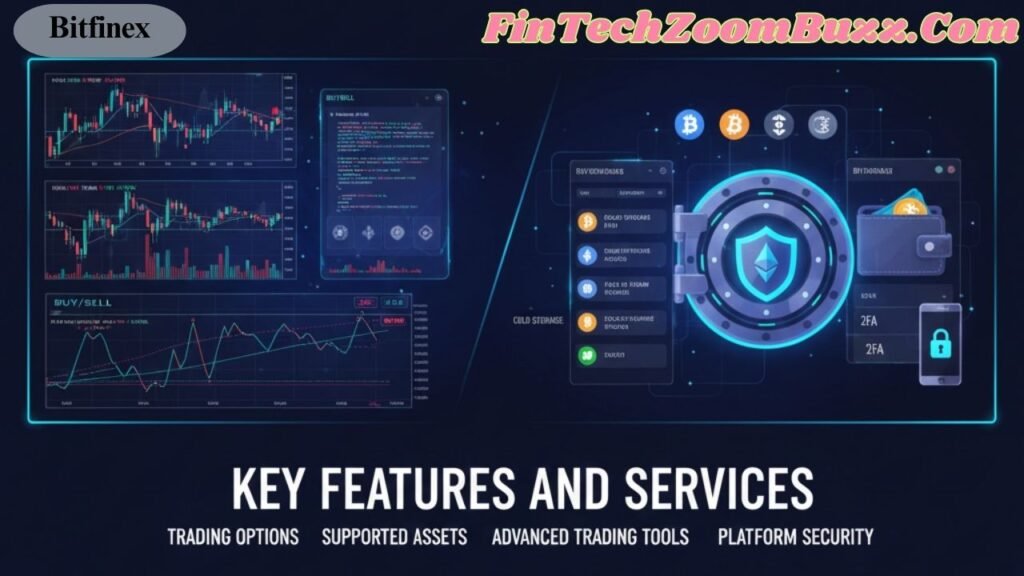
Key Features and Services
Trading Options
The Bitfinex exchange stands out for its diverse range of trading options that go beyond basic buying and selling. The platform offers spot trading for all major cryptocurrencies, allowing users to trade digital assets at current market prices with immediate settlement. This straightforward option serves as the foundation for most trading activity on the platform.
For traders seeking to amplify their positions, margin trading with leverage options provides the ability to borrow funds and increase potential returns—though this naturally comes with increased risk. The exchange supports various leverage levels, giving experienced traders flexibility in managing their capital efficiency.
Beyond spot and margin trading, the platform also offers derivatives and futures trading for those looking to hedge positions or speculate on price movements without holding the underlying assets. Additionally, the peer-to-peer financing market creates a unique ecosystem where users can lend their idle cryptocurrency to margin traders and earn interest, creating a symbiotic relationship between different types of market participants.
Supported Assets
The Bitfinex wallet and trading infrastructure support an extensive array of digital assets. Users can trade Bitcoin, Ethereum, and over 100 other cryptocurrencies, covering everything from established projects to emerging tokens. This broad selection ensures that traders have access to diverse investment opportunities within a single platform.
Fiat currency support represents another significant advantage, with the exchange accommodating USD, EUR, GBP, JPY, and several other traditional currencies. This feature simplifies the onboarding process for new users and provides convenient exit points for those looking to convert cryptocurrency holdings back to traditional money.
The platform also fully embraces stablecoins like USDT, USDC, and others, which serve as important tools for traders looking to park funds in dollar-equivalent assets without leaving the cryptocurrency ecosystem. These stable assets provide a haven during market volatility while maintaining the speed and efficiency of blockchain-based transfers.
Advanced Trading Tools
Professional traders appreciate the sophisticated infrastructure that powers the platform. The interface includes professional-grade charting and technical analysis tools that rival dedicated trading software. Users can customize their dashboards, apply dozens of technical indicators, and analyze market trends with institutional-quality resources.
API access for algorithmic trading represents a crucial feature for quantitative traders and those running automated strategies. The robust API infrastructure allows developers to build custom Bitfinex trading bot solutions that execute trades based on programmed parameters, removing emotional decision-making from the equation.
The customizable trading interface adapts to individual preferences, whether users prefer a minimalist layout focused on order execution or a comprehensive dashboard displaying multiple data streams simultaneously. Multiple order types and trading strategies, including limit orders, stop losses, trailing stops, and more complex conditional orders, provide granular control over trade execution.
Platform Security and Technology
Security remains paramount in the cryptocurrency industry, and the Bitfinex wallet infrastructure incorporates multiple layers of protection for user funds. The platform employs industry-standard security measures, including encrypted data transmission, secure socket layer (SSL) technology, and regular security audits to identify potential vulnerabilities.
Cold storage for user funds represents a critical security practice, with the majority of cryptocurrency holdings kept offline in cold wallets that remain disconnected from the internet. This approach significantly reduces the attack surface available to potential hackers, as offline wallets cannot be accessed remotely.
Two-factor authentication and security tokens provide additional account protection, requiring users to verify their identity through a secondary device before accessing sensitive functions like withdrawals. These measures create substantial barriers against unauthorized access, even if login credentials become compromised.
Insurance and risk management practices further protect the ecosystem, though the specifics of coverage may vary. The platform has implemented various safeguards designed to maintain operational integrity and protect user assets against both external threats and internal failures.
Understanding the Bitfinex Hack
The 2016 Security Breach
Any discussion about whether Bitfinex is safe must acknowledge the platform’s most significant security incident. The Bitfinex hack of August 2016 resulted in the theft of approximately 120,000 Bitcoin, worth around $72 million at the time—a figure that would be valued at billions of dollars at today’s prices.
The Bitfinex hackers exploited vulnerabilities in the platform’s multi-signature wallet implementation, circumventing what were supposed to be enhanced security measures. This incident sent shockwaves through the cryptocurrency community and raised serious questions about exchange security practices industry-wide.
In response to the breach, the platform took the unprecedented step of socializing losses across all users, with every account holder taking a 36% haircut on their balances. To compensate affected users, the exchange issued BFX tokens representing the debt owed, which could later be redeemed for dollars or converted to equity in iFinex, the parent company.
Recovery and Lessons Learned
The aftermath of the Bitfinex hack demonstrated both the platform’s commitment to making users whole and the complex challenges of operating in the cryptocurrency space. Within eight months, the exchange had fully redeemed all BFX tokens, repaying the entire debt to affected users—a feat that exceeded many expectations.
The Bitfinex hacker responsible for the 2016 breach remained at large for years, though law enforcement eventually made arrests in 2022, recovering a portion of the stolen funds. This long-delayed justice highlighted both the persistence of authorities and the challenges of tracking cryptocurrency-based crimes across jurisdictions.
Since the incident, the platform has significantly enhanced its security infrastructure, implementing more robust protocols and adopting best practices that emerged from industry-wide learning following various exchange breaches. While no system can be considered completely impenetrable, the post-hack security improvements represent a serious commitment to protecting user assets.
Fees and Account Structure
The Bitfinex exchange employs a maker/taker fee structure that rewards users who provide liquidity to the order book while charging slightly higher fees to those who take liquidity. Maker fees can be as low as 0.1% for standard accounts, with taker fees typically around 0.2%, though these rates decrease for high-volume traders.
Deposit and withdrawal fees vary depending on the cryptocurrency or fiat currency involved. Many cryptocurrency deposits are free, while withdrawals incur network fees that vary with blockchain congestion. Fiat deposits and withdrawals typically involve bank wire fees that differ based on the currency and transfer method.
Account verification levels and limits create a tiered structure where users who complete more extensive identity verification gain access to higher withdrawal limits and additional features. Minimum deposit requirements are relatively modest for cryptocurrency, though fiat deposits may have higher thresholds depending on the banking method used.
Controversies and Regulatory Challenges

Tether and iFinex Connection
Beyond the security breach, questions about the platform’s relationship with Tether (USDT) and its parent company, iFinex Inc., have generated ongoing controversy. Both the exchange and Tether share common ownership and management, raising concerns about potential conflicts of interest and the backing of USDT tokens.
The New York Attorney General’s investigation into the platform and Tether alleged that the exchange had used Tether reserves to cover an $850 million loss from its payment processor, Crypto Capital. While the companies ultimately settled without admitting wrongdoing, the investigation highlighted transparency concerns that continue to generate debate.
Geographic Restrictions
Is Bitfinex available in the US? This common question has a complicated answer. The platform does not currently serve U.S. customers due to regulatory uncertainty and compliance challenges in the American market. Residents of several other jurisdictions also face restrictions, making it essential for potential users to verify whether their location permits access.
These geographic limitations stem from the complex and evolving regulatory landscape surrounding cryptocurrency exchanges. While the platform maintains operations in many countries, the decision to exclude certain jurisdictions reflects a risk-management approach to compliance.
KYC Requirements
Does Bitfinex require KYC? Yes, the platform implements Know Your Customer verification procedures for most users, particularly those dealing with fiat currencies or seeking higher withdrawal limits. This requirement aligns with global anti-money laundering standards and regulatory expectations for financial service providers.
The verification process typically involves submitting government-issued identification, proof of residence, and potentially additional documentation for corporate accounts or high-volume traders. While some users appreciate platforms with minimal verification requirements, KYC compliance has become standard practice for reputable exchanges.
Is Bitfinex Legit?
The question “is Bitfinex legit?” depends on how one defines legitimacy in the cryptocurrency space. The platform operates as a genuine exchange that facilitates billions of dollars in trading volume and has maintained operations for over a decade—far longer than many competitors that have come and gone.
However, legitimacy encompasses more than mere operation. The controversies, regulatory challenges, and the 2016 hack have created a mixed reputation. The platform has demonstrated resilience and commitment to users by repaying hack losses and continuing to innovate, yet questions about transparency and regulatory compliance remain ongoing concerns.
For professional traders who understand the risks and value the advanced features offered, many consider it a legitimate and valuable platform despite its checkered history. For risk-averse users or those prioritizing regulatory clarity, other exchanges with cleaner track records might better suit their needs.
Bitfinex vs. Competitors
When comparing the platform to major competitors like Binance, Coinbase, and Kraken, several distinctions emerge. The exchange offers more advanced trading tools and options than beginner-friendly platforms like Coinbase, but may have less intuitive interfaces for newcomers.
Compared to Binance, which also targets professional traders, the platform differentiates itself through its peer-to-peer financing market and historically deeper liquidity in certain trading pairs. However, Binance’s broader geographic reach and extensive ecosystem of products give it advantages in accessibility and diversity.
Kraken represents perhaps the closest competitor in terms of target audience, with both platforms emphasizing security, advanced features, and professional-grade tools. The choice between them often comes down to specific feature preferences, fee structures, and individual assessments of historical performance and trustworthiness.
Unique selling points include the financing market, exceptionally deep order books for major pairs, and sophisticated margin trading options that exceed what many competitors offer. Weaknesses include the controversial history, geographic restrictions, and an interface that can overwhelm less experienced traders.
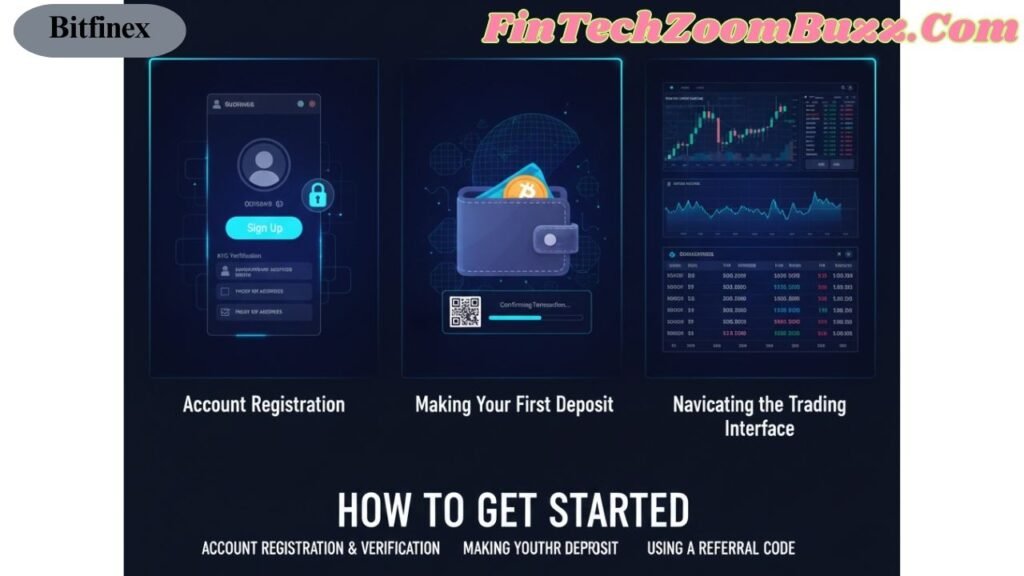
How to Get Started
Account Registration and Verification
For those in eligible jurisdictions interested in exploring the platform, the account registration process begins at the official website. New users create an account with an email address and secure password, then proceed through the verification steps based on their intended use case.
Verification requirements involve submitting identification documents and completing the KYC process. The platform typically processes verification within several business days, though timing can vary during periods of high demand. Users should prepare government-issued photo ID, proof of address, and potentially additional documentation for corporate accounts.
Making Your First Deposit
Once verified, making your first deposit involves navigating to the funding section and selecting the appropriate cryptocurrency or fiat currency. Each asset has specific deposit instructions, including wallet addresses for cryptocurrency or bank details for wire transfers.
Cryptocurrency deposits typically arrive after the required number of network confirmations, which varies by blockchain. Fiat deposits take longer, often requiring 1-5 business days for international wire transfers to clear. Users should always verify deposit addresses carefully to avoid losing funds through sending errors.
Navigating the Trading Interface
The trading interface presents a wealth of information that can initially seem overwhelming. The central order book displays current buy and sell orders, while charts provide price history and technical analysis tools. The order entry panel allows users to place trades with various order types and parameters.
Customization options let users arrange panels according to their preferences, hiding unused features and emphasizing the tools most relevant to their trading strategy. Taking time to familiarize yourself with the interface before placing significant trades helps prevent costly mistakes.
Using a Bitfinex Referral Code
When creating an account, users may have the option to enter a Bitfinex referral code provided by existing users. These codes often provide benefits like reduced trading fees or other incentives for both the new user and the referrer. While not required for registration, using a referral code can provide value if available from a trusted source.
Bitfinex Review: The Verdict
This Bitfinex review has covered the platform’s extensive features, controversial history, and current position in the cryptocurrency exchange ecosystem. The exchange offers unquestionably powerful tools for professional traders, with advanced options and deep liquidity that few competitors match.
However, the historical baggage cannot be ignored. The 2016 hack, regulatory investigations, and Tether controversies create legitimate concerns that potential users must weigh against the platform’s strengths. The repayment of hack losses and continued operation demonstrate resilience, but also highlight that risks exist in this ecosystem.
For professional traders in eligible jurisdictions who value advanced features and can accept the associated risks, the platform remains a compelling option. The peer-to-peer financing market, extensive trading pairs, and sophisticated tools create opportunities unavailable on simpler exchanges.
For those asking, “Is Bitfinex safe?”, the answer requires nuance. The platform has implemented significant security improvements since 2016 and employs industry-standard protections. However, no exchange can guarantee absolute security, and users should never keep more funds on any exchange than necessary for active trading.
Career Opportunities
For professionals interested in joining the cryptocurrency industry, Bitfinex careers offer opportunities to work with cutting-edge technology in a fast-paced environment. The company regularly posts positions for developers, trading specialists, compliance officers, and other roles. Those interested can typically find current openings on the company’s official website or professional networking platforms.
Final Thoughts
The platform represents a complex case study in cryptocurrency exchange evolution—a veteran operation that has survived existential challenges while continuing to serve professional traders with sophisticated needs. Its longevity speaks to both the demand for advanced trading platforms and the resilience of properly managed cryptocurrency infrastructure.
Bitfinex Erfahrungen—experiences with the platform—vary widely among users. Some praise the advanced features and trading capabilities, while others remain wary due to historical controversies. This diversity of opinion reflects the complex reality of cryptocurrency platforms operating in an evolving regulatory and technological landscape.
Ultimately, whether this exchange suits your needs depends on your experience level, risk tolerance, geographic location, and specific trading requirements. Professional traders seeking maximum control and advanced options may find it invaluable, while beginners or those prioritizing regulatory clarity might prefer alternative platforms.
As the cryptocurrency industry continues to mature, exchanges like this one face ongoing pressure to maintain security, ensure regulatory compliance, and restore trust after past incidents. How well they navigate these challenges will determine their long-term viability in an increasingly competitive marketplace.
For those who choose to use the platform, following best practices remains essential: enable all security features, never store funds unnecessarily on exchanges, conduct thorough research before trading, and stay informed about regulatory developments that might affect access or operations.
Also Read: CoinMarketCap Your Complete Guide to the World’s Leading Crypto Data Platform